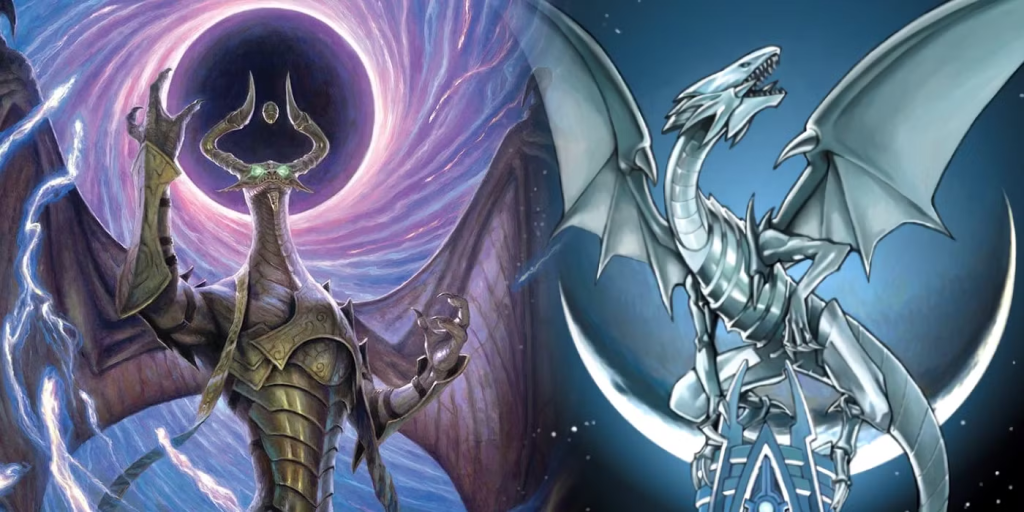
For decades, two iconic trading card games, Magic: The Gathering (MTG) and Yu-Gi-Oh!, have captivated players worldwide, each with their unique Freecreditmalaysia99 mechanics, lore, and devoted fanbases. Despite their shared roots in the collectible card game (CCG) genre, the two games differ significantly in design, gameplay, and culture. In this article, we’ll break down these two legendary games to help you understand their key differences, similarities, and what makes each of them so appealing.
- Origins and Development
Magic: The Gathering
Launched in 1993 by Richard Garfield and published by Wizards of the Coast, Magic: The Gathering was the world’s first collectible card game. Its innovative blend of strategy, deck-building, and fantasy elements quickly made it a cultural phenomenon. MTG was designed with a complex rule system that encouraged players to build unique decks from a wide array of cards, each with its own abilities, creatures, and spells.
Yu-Gi-Oh!
In contrast, Yu-Gi-Oh! originated as a manga by Kazuki Takahashi in 1996, which was later adapted into an anime series. The game itself was created by Konami in 1999, drawing on the lore and characters from the anime. Unlike Magic, which had a more gradual development as a card game, Yu-Gi-Oh! emerged alongside the popularity of its manga and anime, making it more closely tied to the narrative of the series.
- Gameplay and Mechanics
Magic: The Gathering
The gameplay of MTG revolves around casting spells, summoning creatures, and engaging in a strategic battle to reduce your opponent’s life total from 20 to 0. MTG uses a mana system, where players generate resources through “lands” to cast spells. Players can play various types of cards, including creatures, sorceries, instants, enchantments, and artifacts, each with distinct roles and interactions.
Key Features:
Mana System: Players use a resource system (mana) to cast spells, making resource management a critical aspect of gameplay.
Turn Structure: Each turn is divided into phases, allowing players to respond to opponents’ actions and play strategically.
Complexity: MTG has a deep strategic layer, with tens of thousands of unique cards and interactions. This makes it a game of almost limitless possibilities.
Yu-Gi-Oh!
Yu-Gi-Oh! takes a more fast-paced and aggressive approach. Players start with 8,000 life points and aim to reduce their opponent’s life total to 0. The game uses a simple structure of Monster, Spell, and Trap cards, with each type serving a distinct function. Players summon monsters to attack and defend, while using spells and traps to disrupt opponents or gain an advantage.
Key Features:
Summoning Methods: There are various summoning methods in Yu-Gi-Oh!, including Normal Summon, Special Summon, Fusion Summon, and Ritual Summon. The ability to summon powerful monsters through different methods adds a level of depth and flexibility.
Faster Gameplay: Matches in Yu-Gi-Oh! tend to be faster-paced, with players frequently dealing large amounts of damage and summoning powerful creatures early on.
Simplicity of Turns: Yu-Gi-Oh! has a more straightforward turn structure, with players being able to play spells and monsters during the opponent’s turn, depending on the card’s effect.
- Deck Building and Strategy
Magic: The Gathering
MTG deck-building is centered around the idea of synergy between cards, and each player creates a deck with a particular strategy in mind. Players often build decks around specific themes or mechanics, such as ramping mana, controlling the battlefield, or aggro (fast-paced attacks). The game’s “color pie” system divides the cards into five distinct colors, each with its strengths and weaknesses. For example, Red is aggressive and fast, while Blue is more about control and countering spells.
Key Strategy Points:
Multicolor Decks: Players can mix multiple colors for greater versatility, allowing for highly customizable decks.
Card Interactions: The game’s complexity comes from the interactions between cards and the strategic use of instants and sorceries to outsmart opponents.
Meta-Game: MTG players often tune their decks to the current “meta” (most common and effective strategies), creating a dynamic environment where new deck types constantly emerge.
Yu-Gi-Oh!
Deck-building in Yu-Gi-Oh! is equally diverse, but it is more focused on synergy between monster types, archetypes, and effects. The game is very much focused on summoning powerful monsters to overwhelm opponents, and the introduction of new archetypes (e.g., Dragons, Spellcasters, etc.) has greatly shaped the deck-building landscape. Yu-Gi-Oh! decks can be built around a specific strategy, like focusing on high-level monsters or swarming the board with low-level creatures.
Key Strategy Points:
Combo-Driven: Many Yu-Gi-Oh! decks rely on complex combos, where players chain multiple card effects together for devastating outcomes.
Speed: Since Yu-Gi-Oh! often involves quicker plays, aggressive decks that can summon powerful monsters early in the game are very popular.
Card Pool: With over 10,000 cards in existence, players have access to a vast range of tools for building their decks.
- Card Pool and Collectibility
Magic: The Gathering
With a card pool spanning decades, MTG has a deep history of cards that have become highly collectible. Some rare cards from the early years, such as the Black Lotus, can fetch hundreds of thousands of dollars. MTG also releases new sets periodically, introducing new mechanics, cards, and lore, which helps keep the game fresh and engaging.
Collectibility Aspects:
Old and Rare Cards: Older cards, especially from early sets, are highly sought after by collectors.
Foils and Rarities: Many cards have foil variants, which appeal to collectors looking to enhance their collection.
Yu-Gi-Oh!
Yu-Gi-Oh! also boasts a massive card pool, but its cards are typically not as rare or as expensive as those in MTG. While some older cards, like the Blue-Eyes White Dragon or Dark Magician, are iconic, Yu-Gi-Oh! places a greater emphasis on new sets and promotional cards. The game’s ongoing release schedule means that players often buy new packs to keep up with the latest cards, which can result in a constantly shifting metagame.
Collectibility Aspects:
Iconic Cards: Cards tied to the anime, such as the Egyptian God Cards, hold significant sentimental value for many players.
Promotional Cards: Special cards, like limited editions or tournament prizes, often attract collectors.
- Competitive Scene and Community
Magic: The Gathering
MTG has an extensive competitive scene with organized play ranging from local Friday Night Magic events to the prestigious Pro Tour. With its deep strategic elements, MTG attracts a more methodical and patient player base, and tournaments often require careful preparation and a deep understanding of the game’s rules.
Conclusion
Both Magic: The Gathering and Yu-Gi-Oh! have stood the test of time, evolving and growing their fanbases while maintaining their own distinct identities. Magic excels in its strategic depth, variety of gameplay options, and rich lore, while Yu-Gi-Oh! shines with its fast-paced, combo-driven mechanics and connection to its anime roots. Ultimately, the choice between the two comes down to personal preference: do you enjoy the careful planning and complexity
 Site Title